
Key Takeaways
- ACL (anterior cruciate ligament) tears often happen during quick stops, pivots, or landings in sports like soccer, basketball, and volleyball.
- Rehab – and sometimes surgery – both require a structured return-to-play process to protect the other knee.
- Girls are statistically more likely to tear their ACL than boys, due to differences in anatomy and muscle strength.
- Need to get your athlete seen quickly? Call 503-ATHLETE (503-284-5383) to connect with Orthopedic + Fracture Specialists and get your athlete scheduled for a same-day or next-business-day appointment, when available.
- Orthopedic + Fracture Specialists has supported Portland-area student athletes and their families for more than 90 years, with fellowship trained, board-certified sports medicine specialists who guide young athletes safely back to the game. Request an appointment if your athlete is dealing with knee pain or an injury.
Understanding ACL Injuries in Young Athletes
For Portland families with student athletes, few injuries create more questions than a torn ACL. Between surgery decisions, recovery timelines, and worries about a second injury, it's a lot to process. Here's what parents and young athletes need to know.
What Is the ACL, and How Does It Get Injured?
The ACL (anterior cruciate ligament) is a strong band of tissue inside the knee that connects the thighbone to the shinbone and helps keep the knee stable. ACL injuries most often happen during sports involving sudden stops, changes in direction, jumping, and landing, such as soccer, basketball, football, and downhill skiing.
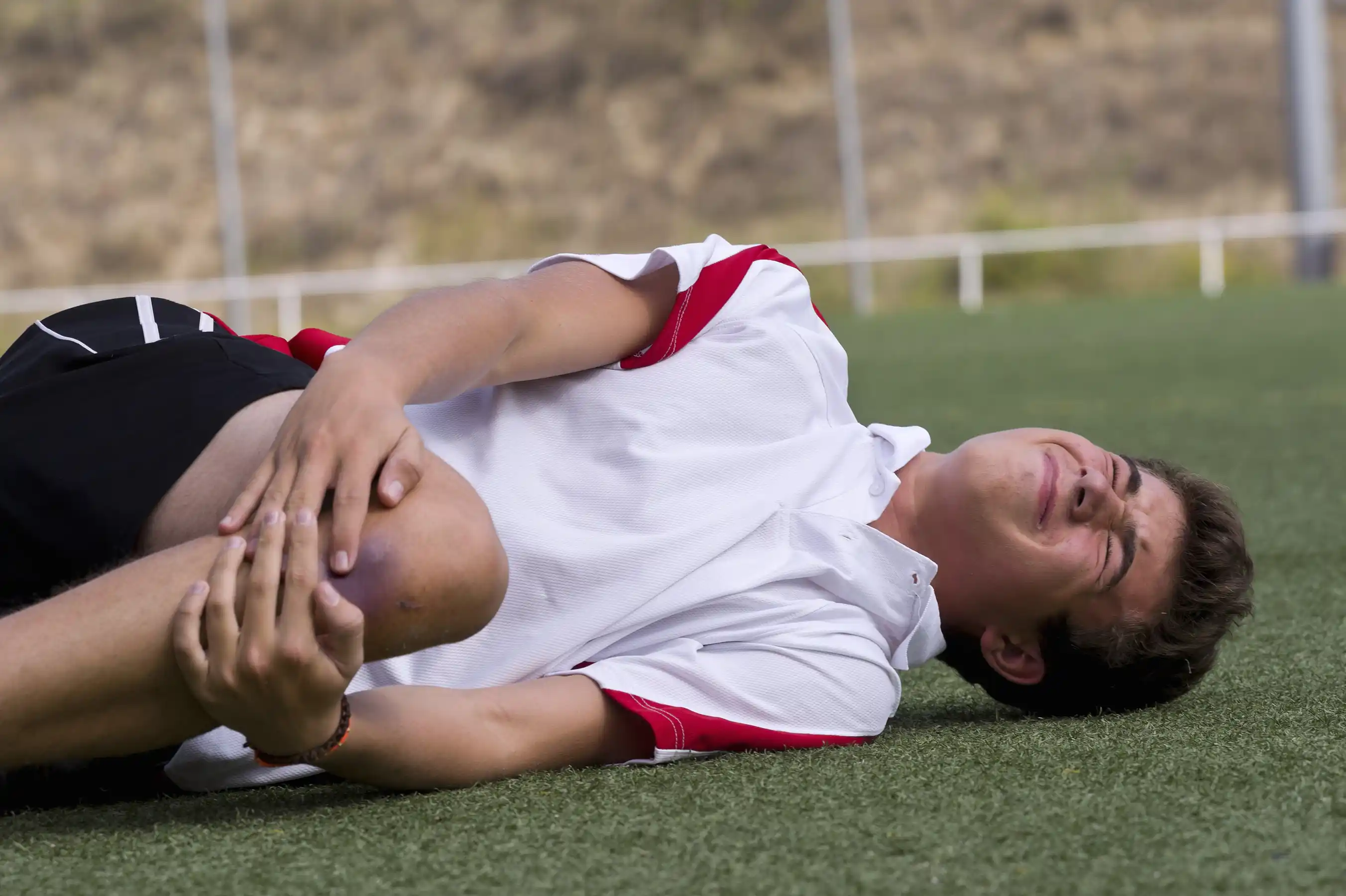
Most ACL tears are non-contact injuries. That means they often happen without another player being involved, usually from an awkward landing, a sudden pivot, or planting the foot while changing direction.
Signs Your Young Athlete May Have Torn Their ACL
Watch for these common signs and symptoms:
- A popping sound or sensation at the moment of injury
- Immediate swelling within a few hours
- Pain and difficulty bearing weight on the knee
- A feeling that the knee is unstable or 'giving out'
If your child experiences any of these symptoms after a knee injury, it's important to see a specialist for an accurate diagnosis. An exam, combined with imaging like an MRI, can confirm whether the ACL is involved and rule out other injuries, such as a meniscus tear (damage to the knee's cartilage cushion).
Need to get your athlete seen quickly? Call 503-ATHLETE (503-284-5383) to connect with Orthopedic + Fracture Specialists and get your athlete scheduled for a same-day or next-business-day appointment, when available.
Why Are Female Athletes at Higher Risk?
Research shows that female athletes are more susceptible to ACL tears than male athletes, largely due to differences in knee anatomy, muscle strength, and hormonal factors. This doesn't mean an ACL tear is inevitable for young female athletes, but it does make targeted injury-prevention training especially valuable for girls playing high-risk sports like soccer, basketball, and volleyball.
What Does Recovery Look Like?
Whether your athlete has surgery or not, structured physical therapy is central to a safe return to sports. Recovery generally follows these phases:
- Early recovery: Reducing swelling and pain, restoring range of motion.
- Strength building: Rebuilding muscle strength around the knee, particularly the quadriceps and hamstrings.
- Sport-specific training: Practicing cutting, pivoting, and jumping mechanics safely.
- Return-to-sport testing: Confirming strength, stability, and confidence before clearance to compete again.
Full recovery and safe return to sport after ACL reconstruction commonly takes nine months to a year. Rushing this timeline significantly increases the risk of re-injury, especially to the other knee.
Get Your Athlete Back in the Game Safely
When a knee injury sidelines you or your child, getting answers is the first step forward. Orthopedic + Fracture Specialists helps kids and adults get evaluated quickly, with timely access to MRI imaging and surgery when needed. You can also continue your recovery with our physical therapy team at our two convenient locations in Portland and Beaverton, keeping your care connected from diagnosis through rehabilitation.
Call 503-ATHLETE (503-284-5383) for a same-day or next-business-day appointment, when available, or schedule an appointment online.
Frequently Asked Questions
What does an ACL tear feel like?
Many athletes describe hearing or feeling a 'pop' in the knee, followed by pain, swelling, and a feeling that the knee is unstable or about to give out.
How long does ACL surgery recovery take for a teenager?
Most young athletes need about nine months to a year of structured rehab before safely returning to competitive sports after ACL reconstruction.
Can an ACL tear heal without surgery?
Some patients can manage an ACL injury with physical therapy, bracing, and activity changes. However, ACL reconstruction is often recommended for athletes returning to sports involving cutting and pivoting. Your child’s orthopedic specialist will recommend treatment based on knee stability, any associated injuries, and their activity goals.
How can I find sports medicine near me for my child's knee injury?
Orthopedic + Fracture Specialists provides sports medicine and pediatric orthopedic care in Portland and Beaverton. Our team includes five sports medicine physicians and one pediatric orthopedic physician recognized as Portland Monthly Top Doctors.
Call 503-ATHLETE (503-284-5383) for a same-day or next-business-day appointment, when available. You can also request an appointment online to get your athlete’s evaluation and treatment started.
